30 Sep 2026 • 7 mins read
Bambu Studio flow ratio vs XY hole compensation
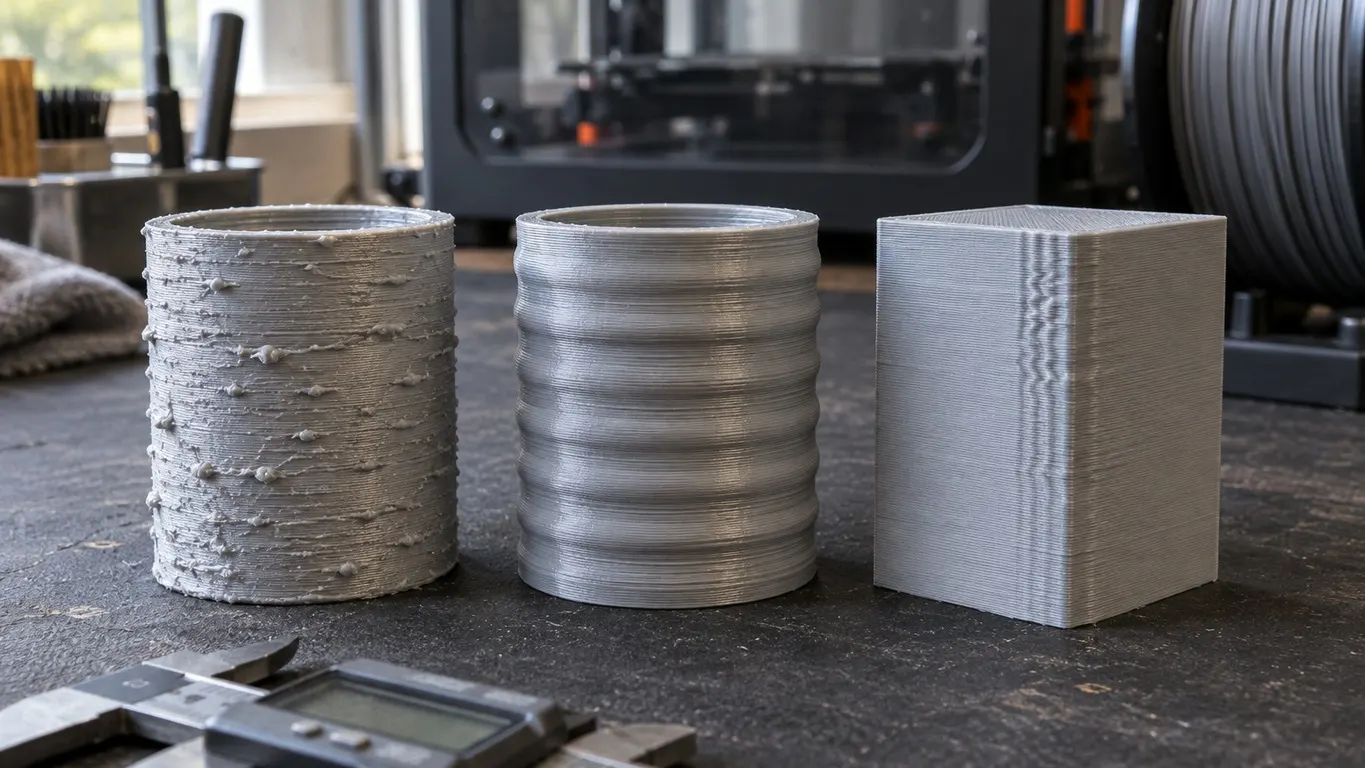
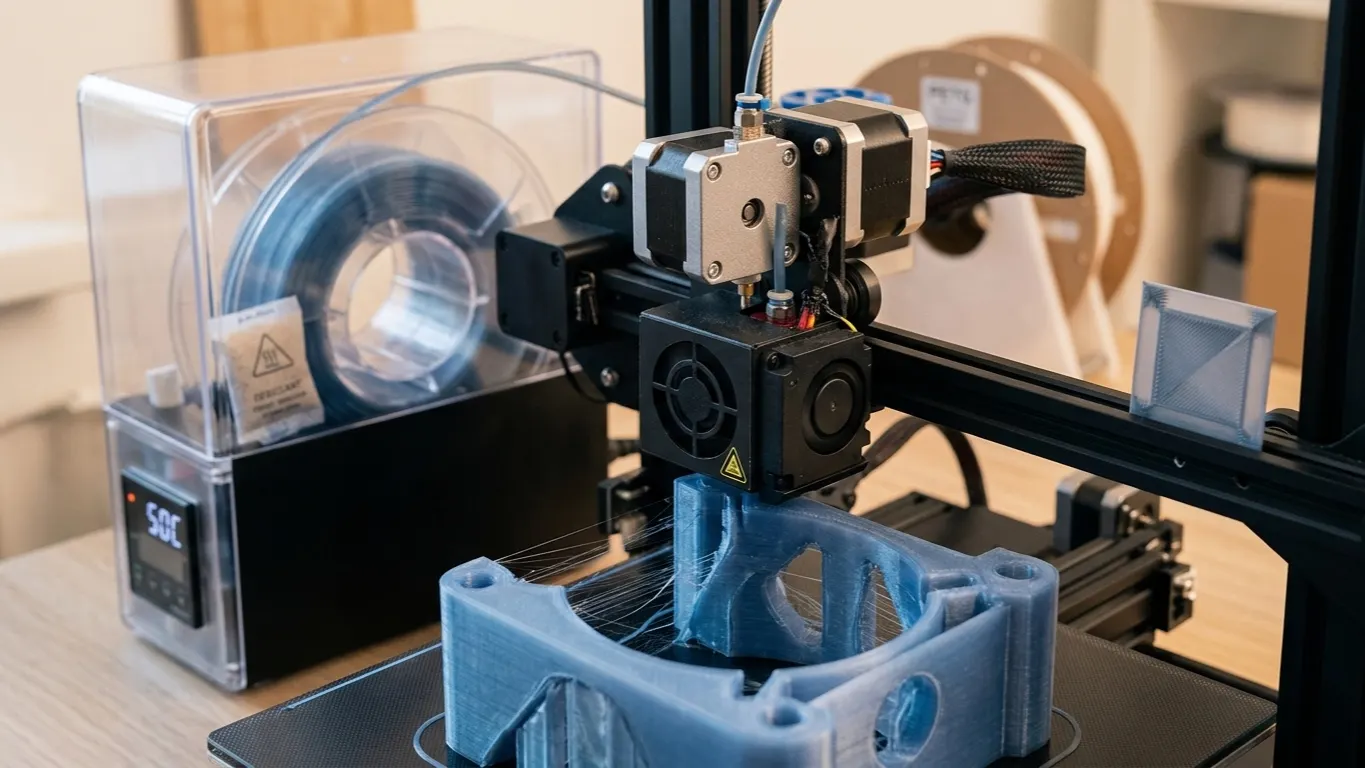
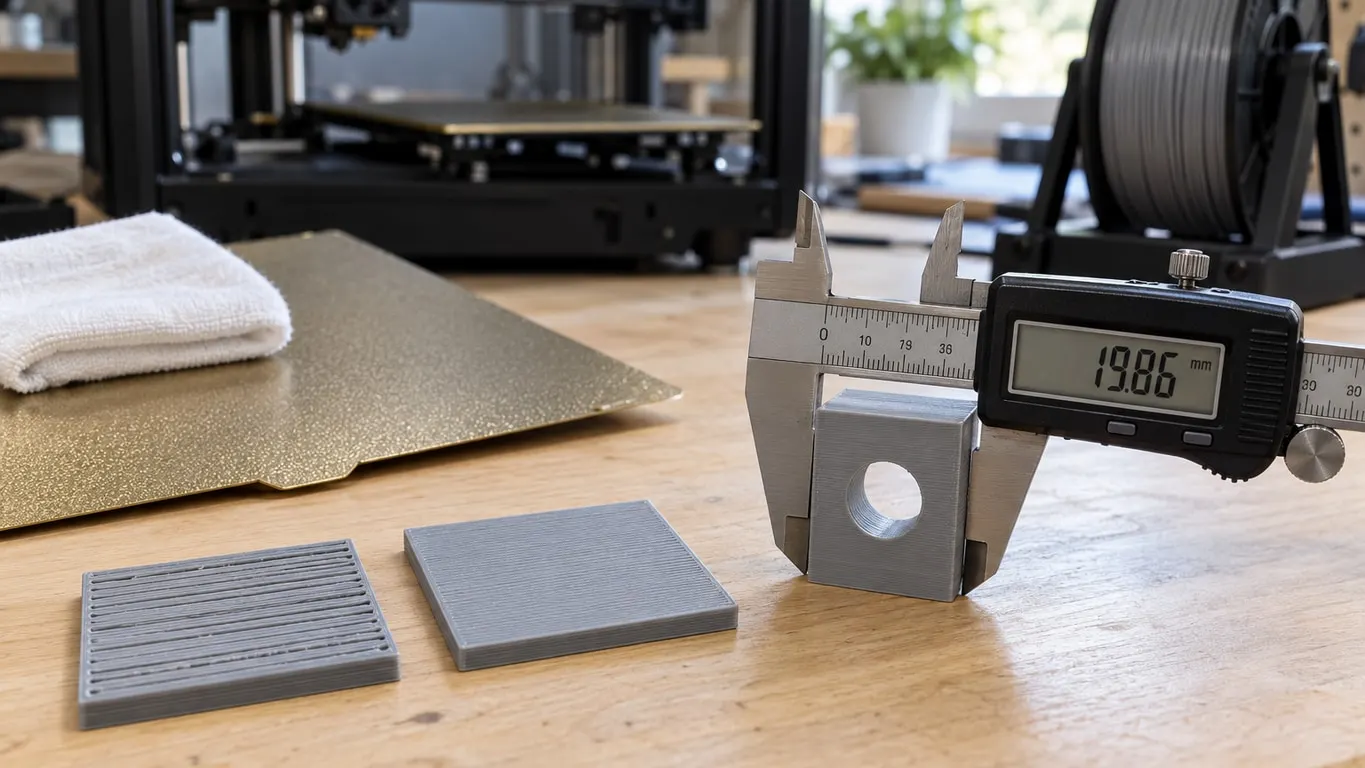
Flow ratio fixes gaps in top layers. An undersized part calls for scaling or XY compensation, and a first layer no flow value fixes may be a dirty plate.

Five posts on dialing in the printer: printing a temperature tower, tuning pressure advance, and deciding which pre-print checks to skip.
Flow ratio fixes gaps in top layers. An undersized part calls for scaling or XY compensation, and a first layer no flow value fixes may be a dirty plate.
Z banding, ringing and rough walls are three different marks. How to tell them apart, what sits behind each one, and what is still unsolved.
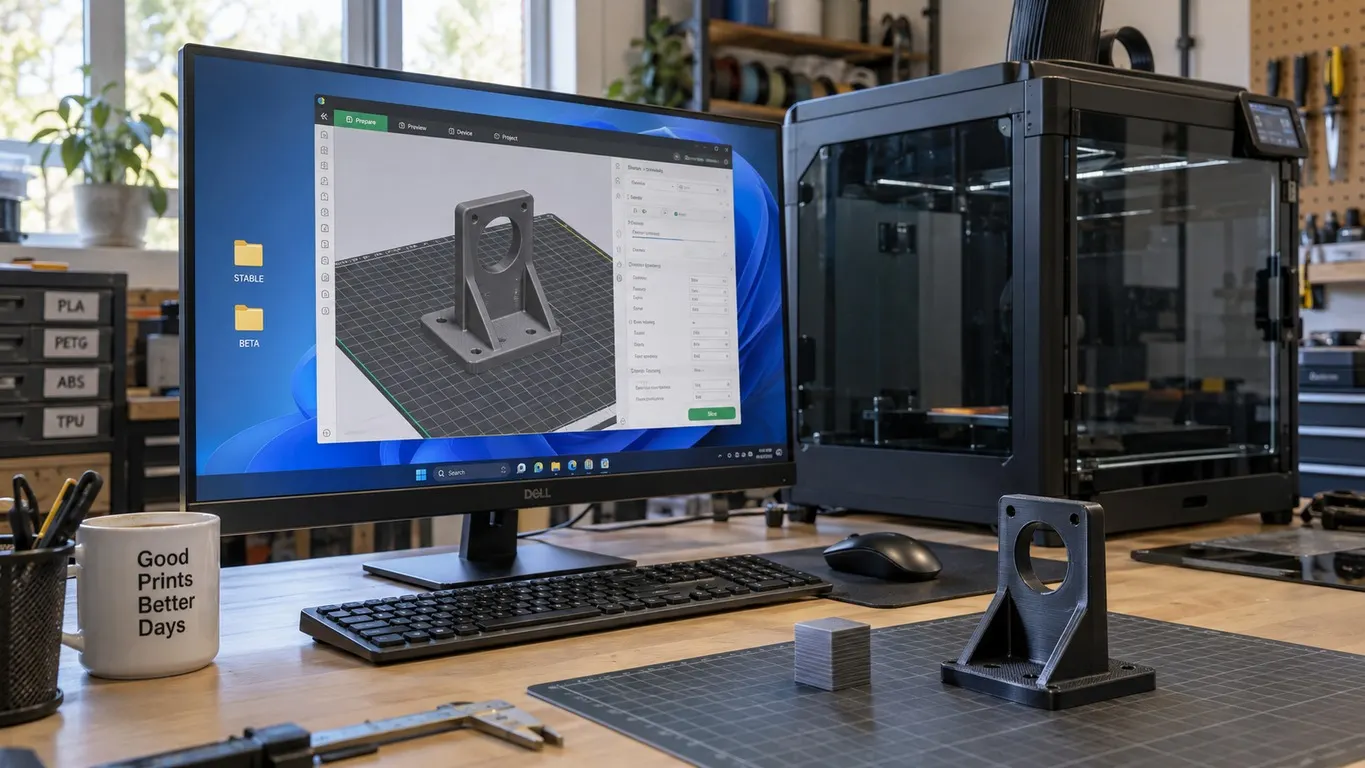
The Windows zip is already a portable version. Install the stable release from the exe, unpack the beta zip elsewhere, and keep file types off it.
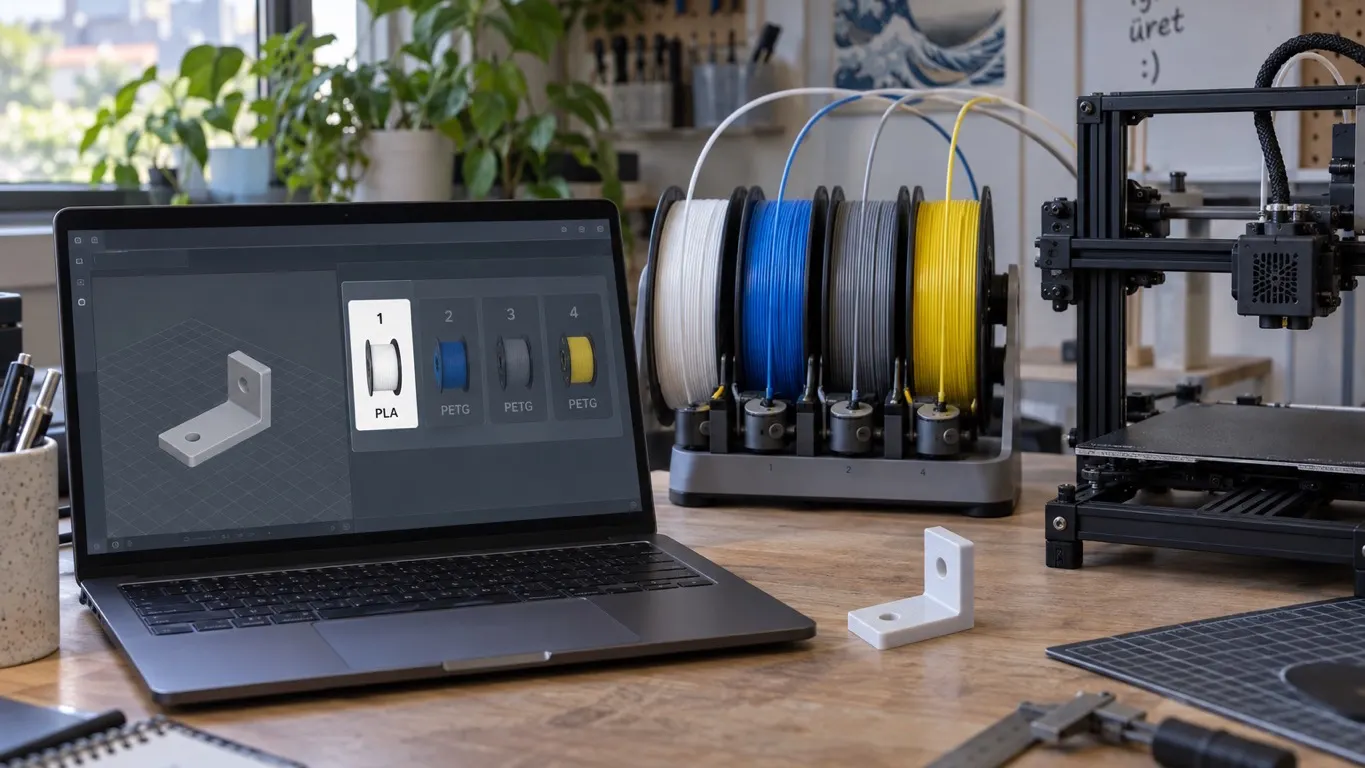
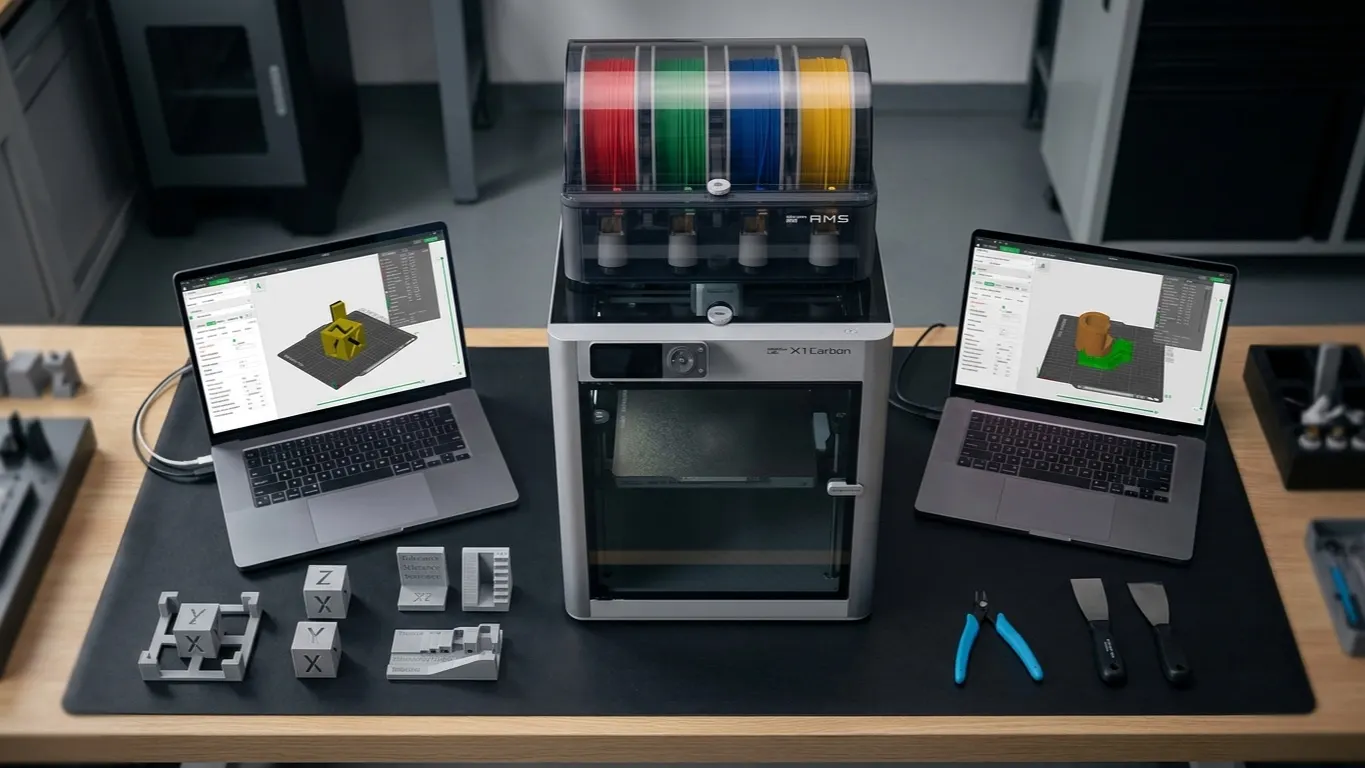
In Bambu Studio three of the four AMS slots come up gray in the print window. The cause is a slice tied to one material: Change Filament, then re-slice.
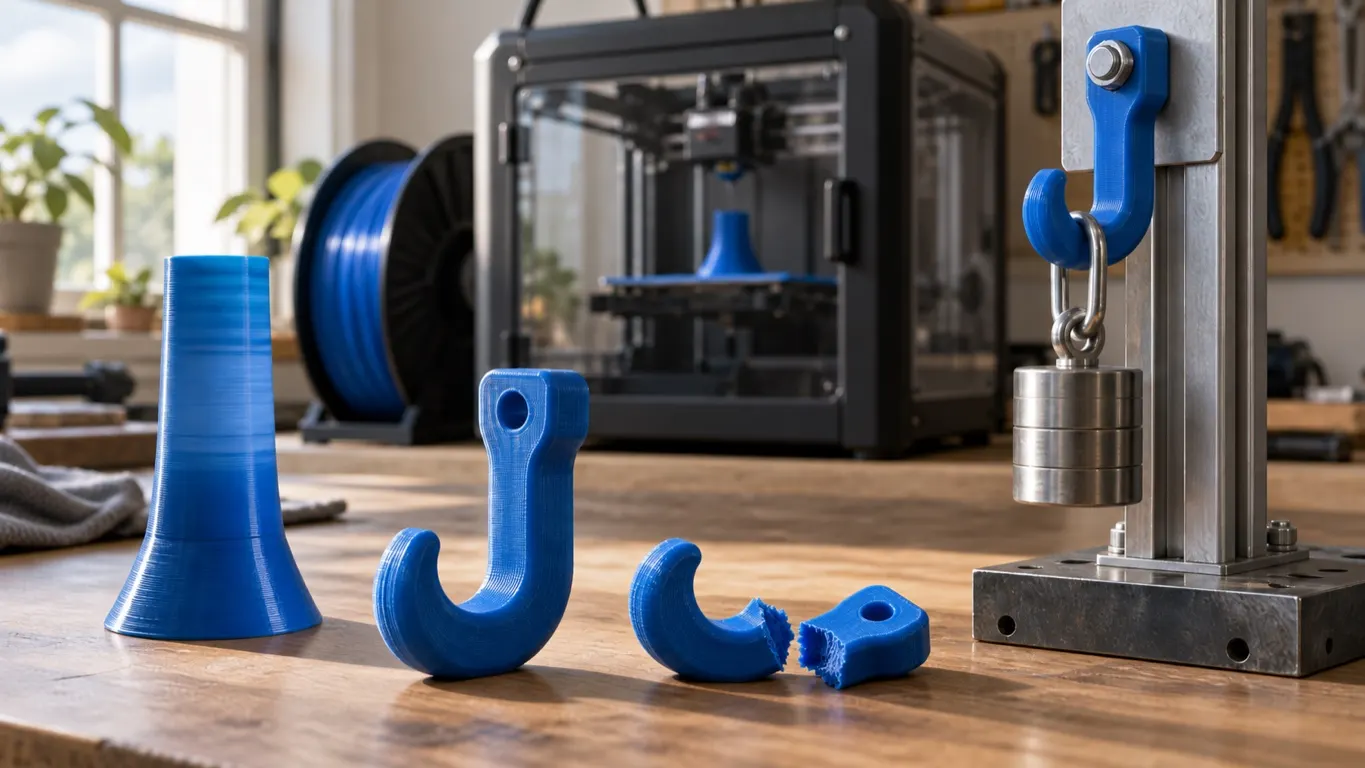
Orca's MVS test gives 23 mm³/s for one PLA, yet layer adhesion peaks near 12. Why the two differ, and a strength test that needs no rig.
Flexible filament prints slow, will not print wet, and wants a much higher pressure advance. Measured ranges, and why each setting moves.
Your Bambu can run three calibrations before a print and spend minutes on them. Which one to skip, which two to leave alone, and where the checkbox is.
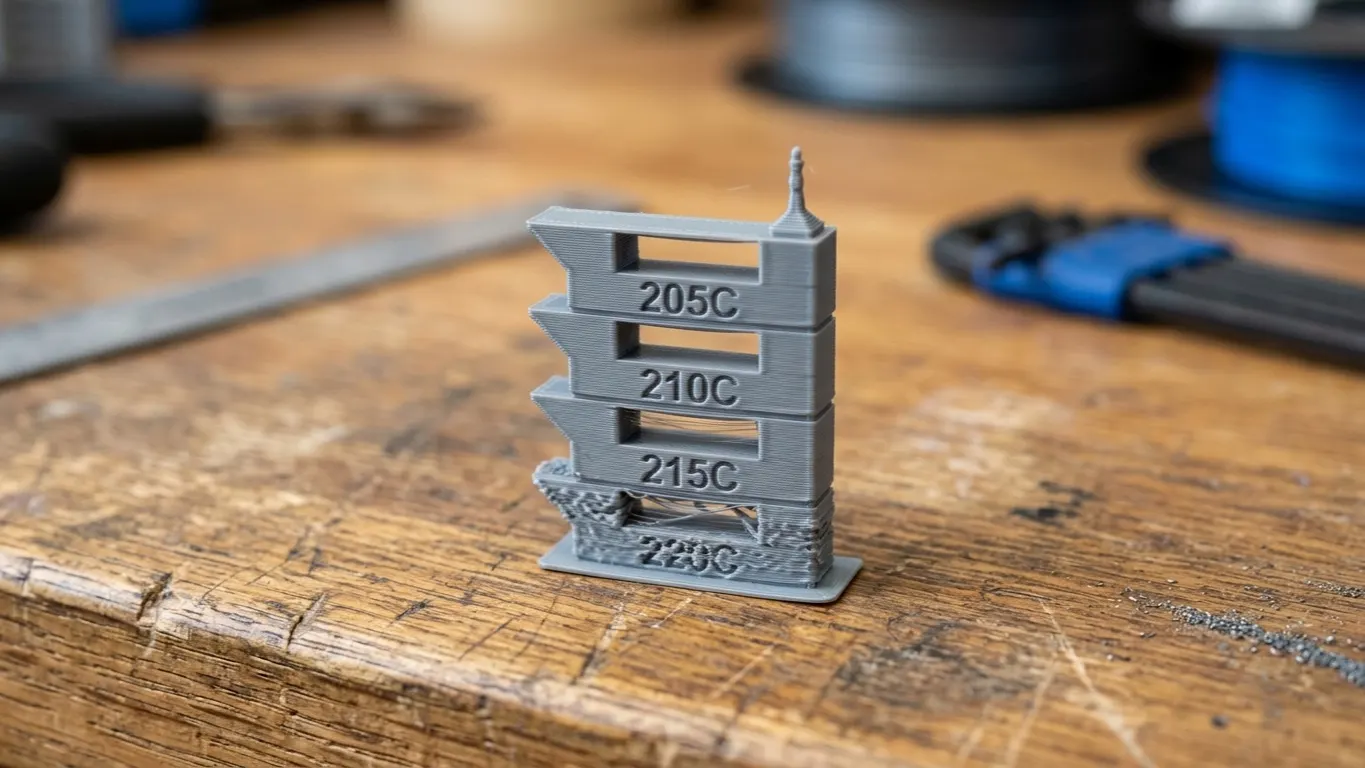
Run one print at two temperatures. Where to add custom G-code in Bambu Studio, why M104 beats M109 for this, and what the trick is actually good for.
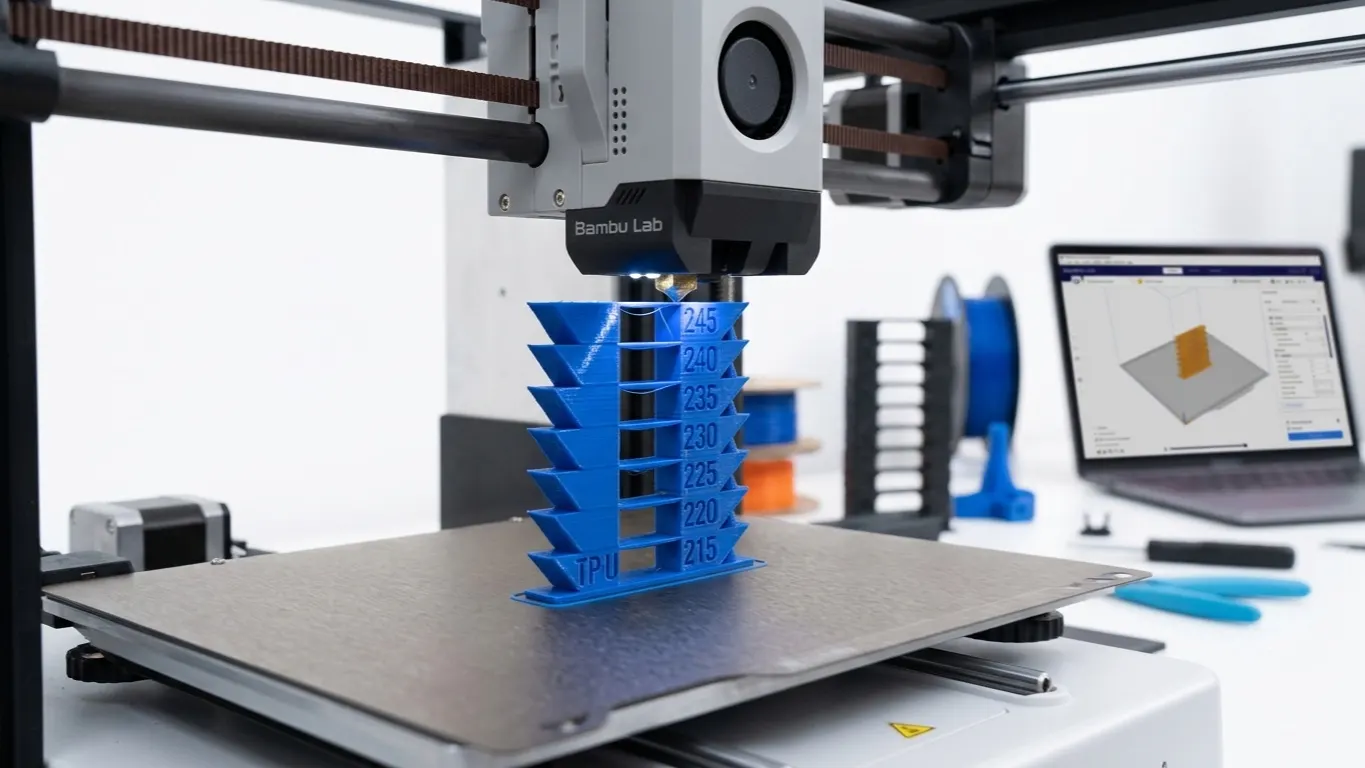
The way to find a filament's nozzle temperature is to try several in one print. Orca Slicer has the test built in; Bambu Studio needs a hand.
The bed climbs halfway, stops, and the screen reads 0300 4000. Four things to check in order, from debris on the rods to belt tension.